
Living in a residential community comes with many small tasks: paying the monthly bill, booking the function room, registering a visitor at the guardhouse, and reading the latest notice from the management office. Each one is simple on its own, and together they take up a surprising amount of time for residents and management alike.
In short, from 2020 we built the Eden community app, which brings billing, facility booking, visitor management and notices for residential communities into one system, and we kept extending it phase by phase until 2023. This is how the app was built, and what it taught us about building a platform that many different people use every day.
The Need
Eden set out to help residential communities go digital. A community runs on three groups working together: the residents, the management office and the guards at the entrance. In many communities, paper forms, separate spreadsheets and phone calls slow all three down, and information easily goes missing between them.
The goal was one system that each group could use for its own part of community life, with the information shared between them.
What We Built
The Eden app brought the daily operations of a residential community together in one place:
- E-billing and online payment. Residents received their bills and paid them online.
- Facility booking. Residents booked shared facilities without calling the management office.
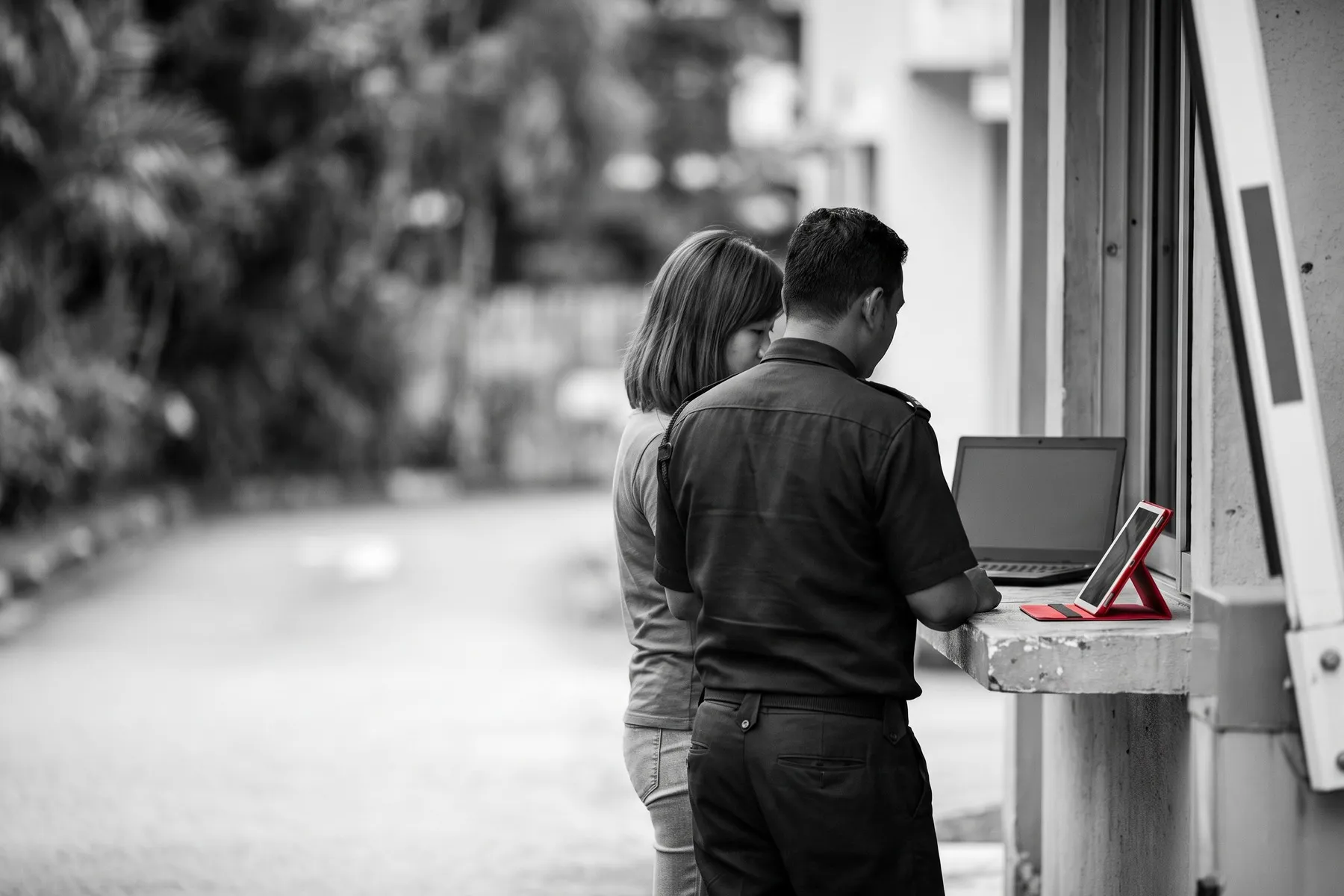
- Visitor management with intercom. Visitors were registered and checked in at the entrance.
- Help desk. Residents raised requests and followed them up in the app.
- Notices, forms and documents. An e-noticeboard for announcements, with community forms and documents in one place.
- Deposits and accounting. Deposits were tracked, and accounting data could be imported and exported.
- More than one community. One account could be used across more than one community.
We also built the website that presented the app to communities, setting out its features and how to get in touch.
Building in Phases
The app was not built in one go. It grew in phases, each one adding what the app needed next:
- 2020. The first phase of the community app platform, followed by a larger second phase that ran into 2021.
- 2022. A round of fixes and improvements to the app.
- 2023. Further enhancements to the app and to visitor management, including a built-in QR code reader.
Building in phases kept each release focused, and let every later phase start from what the previous one had delivered. You can read more about this kind of system in what a web application is, and when a business needs one.
What We Learned
- One system, several kinds of user. Residents, the management office and the guards each need a simple screen for their own job, so we designed each screen around one group's daily tasks.
- The entrance needs speed above all. At a busy guardhouse, scanning a QR code is quicker and more accurate than typing a visitor's details, and the built-in QR code reader added in 2023 served exactly that.
- A platform grows with its users. We believe a platform should be extended in phases, so that each round of work stays focused on what matters most next.
How We Build Digital Platforms at Valse
Every platform we build starts with the people who will use it every day, following our RIDE framework: Review, Identify, Digitalise and Elevate. We map each group of users and its daily tasks first, then build in phases so the platform can start helping early and keep improving after launch. You can read more on our digital platform development page.
Planning a platform for your own community or members? Take the free RIDE Digital Scorecard, or talk to us today.